Luxury 8-Ingredient Scallops With Truffle Cauliflower Purée
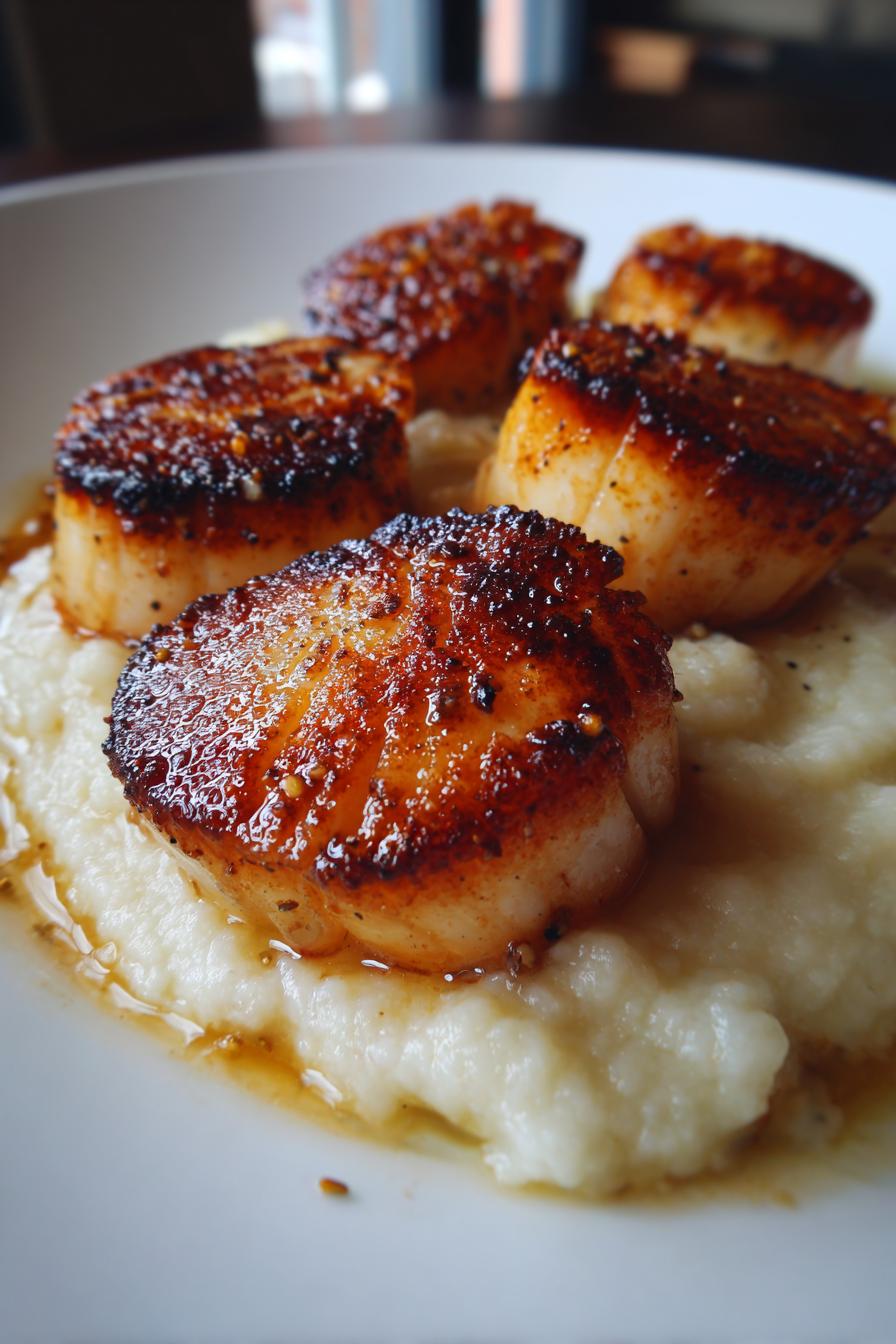
I first fell in love with scallops and truffle cauliflower purée during a tiny bistro date night years ago—that first bite of silky purée against perfectly seared scallops felt downright magical. Now it’s my go-to when I want to impress (without spending hours in the kitchen). The secret? Letting humble cauliflower soak up luxurious truffle oil while those sweet scallops get a golden crust in minutes. It’s restaurant-worthy but shockingly simple—just eight ingredients stand between you and a dish that’ll make everyone think you’ve got a Michelin star hidden somewhere.
Ingredients for Scallops With Truffle Cauliflower Purée
Gathering the right ingredients is half the battle with this dish—but don’t worry, I’ve kept it simple. The magic happens when you combine just a few high-quality items. Trust me, splurging on fresh scallops and good truffle oil makes all the difference here. Here’s what you’ll need:
- 8 large scallops (look for “dry-packed”—they sear better without extra liquid)
- 1 head cauliflower, cut into florets (about 4 cups—no need to be exact, we’re blending it anyway)
- 2 tbsp butter (salted or unsalted both work, just adjust your seasoning)
- 1/4 cup heavy cream (this makes the purée luxuriously smooth)
- Salt to taste (I use flaky sea salt for finishing)
- Black pepper to taste (freshly cracked, always)
- 1 tbsp olive oil (for searing—nothing fancy needed here)
2 tbsp truffle oil (start with 1 tbsp if you’re new to truffle—it’s potent stuff!)
See? Nothing crazy. The cauliflower does most of the heavy lifting flavor-wise once it meets that truffle oil. And pro tip: leave your scallops in the fridge until the last minute—cold scallops sear better than room-temperature ones. Now let’s make some magic!
How to Make Scallops With Truffle Cauliflower Purée
Okay, let’s get cooking! The beauty of this dish is how everything comes together quickly—but there’s a method to the madness. We’ll start with the purée (since it can hang out warm while we sear the scallops) and finish with that gorgeous golden crust. Ready?
Preparing the Truffle Cauliflower Purée
First things first: steam those cauliflower florets until they’re fork-tender—about 8-10 minutes should do it. Don’t let them get mushy, but if you can easily smash a floret against the side of the pot with a spoon, you’re golden. Drain them well (seriously, shake that colander—watery cauliflower makes sad purée).
Now, the fun part: toss the hot cauliflower into your blender with the butter, cream, and 1 tablespoon of truffle oil to start. Blend until it’s smoother than a jazz record—you might need to stop and scrape down the sides once or twice. Taste it (careful, it’s hot!) and adjust with more truffle oil, salt, or pepper as needed. Remember: truffle oil is powerful stuff, so add it gradually until you hit that perfect earthy note.
Searing the Scallops
While the purée hangs out, let’s tackle those scallops. Here’s my golden rule: dry scallops = perfect sear. Pat them aggressively with paper towels until they feel tacky—no moisture means no steaming, which means that gorgeous crust we’re after.
Heat your olive oil in a skillet over medium-high heat until it shimmers (about 2 minutes). Season the scallops generously with salt and pepper right before they hit the pan—this helps form that crust. Don’t crowd them! Give each scallop some personal space, or they’ll steam instead of sear. Cook for exactly 2 minutes undisturbed (resist the urge to peek!), then flip when they release easily from the pan. Another 1-2 minutes on the second side, and boom—golden perfection.
Serving
Now for the grand finale: swoosh that luscious purée onto plates, top with scallops (I like to arrange them in a little circle—very chef-y), and maybe sprinkle with chopped chives or parsley if you’re feeling fancy. The contrast of creamy purée against crisp-edged scallops? Absolute magic. Serve immediately while everything’s hot and happy.
Why You’ll Love This Scallops Recipe
Let me tell you why this dish is about to become your new dinner party hero—or your secret “treat yourself” meal. It’s the kind of recipe that feels like you’ve cracked the code to fancy cooking without any of the stress. Here’s what makes it so special:
- Faster than takeout: From fridge to plate in 25 minutes flat—perfect for when you want something luxurious but don’t have hours to spend in the kitchen.
- Restaurant-worthy flavors: That truffle oil transforms humble cauliflower into something downright decadent, while the scallops taste like they’re from a seaside bistro.
- Guilt-free indulgence: At just 350 calories per serving, you can savor every bite without that heavy “I overdid it” feeling afterward.
- Instant wow factor: The swoosh of golden purée with those perfectly seared scallops on top? People will think you slaved over this for hours.
- Endlessly adaptable: Swap in different herbs, add a squeeze of lemon, or drizzle with browned butter—it’s a canvas for your creativity.
Seriously, this is the dish I make when I want to feel like a gourmet chef without any of the fuss. And trust me—once you taste that first bite of silky purée with a caramelized scallop, you’ll be hooked.
Tips for Perfect Scallops With Truffle Cauliflower Purée
After making this dish more times than I can count (and yes, burning a few scallops along the way), I’ve learned all the tricks to get it right every single time. These are my hard-won secrets—the little things that take this dish from “pretty good” to “oh-my-gosh-what-is-this-sorcery” territory.
The scallop commandments (trust me on these)
First rule of scallop club: dry them like your life depends on it. I mean serious paper towel action—pat until they feel slightly sticky. Any moisture left turns to steam in the pan, and suddenly you’re boiling scallops instead of searing them. Not cute.
Second rule: hot pan, don’t peek. That skillet needs to be properly hot before the scallops go in (test it with a drop of water—it should sizzle violently). And once they’re in? Hands off! No flipping, no poking, no “just checking” for at least 90 seconds. That crust needs undisturbed time to form.
Truffle oil wisdom
Truffle oil can go from “delicate earthiness” to “overpowering perfume counter” real quick. My method? Start with half the amount listed, blend, taste, then add more in tiny increments. The flavor develops as it sits too—so if it seems mild at first, give it 5 minutes before adding more.
Pro tip: store your truffle oil in the fridge. The cold keeps it from turning bitter over time. Just let it come to room temp before using—cold oil clings to the blender blades instead of mixing into the purée.
Cauliflower purée pitfalls to avoid
Nothing sadder than watery purée. After steaming, let the cauliflower drain in the colander for a full minute—shake it like you’re trying to win a dance-off. If your purée still seems loose, blend in an extra pat of butter instead of adding more cream.
And don’t skip the hot blender trick: warm ingredients blend smoother. If your purée looks grainy, let the motor run for a full minute—the heat from friction will help emulsify everything into silkiness.
When things go wrong (quick fixes!)
Rubbery scallops? You overcooked them. Next time, pull them at 1.5 minutes per side—they’ll keep cooking from residual heat. For now? Drown them in extra truffle purée and pretend you meant them to be extra-chewy.
Purée too thick? A splash of warm milk or even the scallop pan drippings can loosen it up beautifully. Thin gradually—you can always add more liquid, but you can’t take it back out!
Remember: even “imperfect” versions of this dish still taste incredible. The first time I made it, my scallops stuck to the pan and my purée was lumpy—we still licked the plates clean. Cooking’s about the joy, not perfection!
Ingredient Substitutions
Look, I get it—sometimes you’re staring into your fridge thinking “I don’t have truffle oil, now what?” No panic! This dish is surprisingly flexible. Here are my tried-and-true swaps that still deliver amazing results (though I’ll be honest—nothing beats the original).
When you’re out of truffle oil
The truffle flavor is special, but if you don’t have any, try 1 tablespoon olive oil + 1 teaspoon mushroom powder (porcini works great). It won’t be identical, but it’ll give that earthy depth. For a quicker fix, a drizzle of browned butter at the end adds incredible richness.
Dairy substitutions
Heavy cream makes the purée luxuriously smooth, but coconut cream works beautifully if you’re dairy-free—just expect a slightly sweeter, tropical note. For a lighter version, whole milk plus an extra tablespoon of butter will do in a pinch (though the texture won’t be quite as velvety).
Scallop alternatives
Fresh scallops are ideal, but large shrimp (pat them dry too!) sear up nicely in their place. For vegetarians, thick slices of king oyster mushroom seared the same way give a surprisingly similar meaty texture—just double the cooking time.
Cauliflower swaps
While cauliflower’s mild flavor lets the truffle shine, steamed celery root makes an intriguing nutty alternative. For something richer, blend in half a baked potato—just know it’ll taste more decadent than the original.
A quick heads-up: every substitution changes the dish’s personality a bit. That’s not bad—it’s how new favorite variations are born! My “emergency version” with coconut cream and mushrooms once got more compliments than the original at a dinner party. Cooking’s all about making it work with what you’ve got.
Serving Suggestions for Scallops With Truffle Purée
Now that you’ve got this glorious dish ready, let’s talk about how to make it a full meal experience—because as much as I love diving face-first into scallops and purée alone (no judgment), a few thoughtful pairings take it from “dinner” to “dining event.” Here’s what I’ve found works beautifully:
The crisp sidekick: Simple greens
A light salad cuts through the richness perfectly. My go-to? Baby arugula with lemon vinaigrette—the peppery bite and acidity balance the truffle’s earthiness. If you’re feeling fancy, shave some Parmesan on top. Another winner: shaved fennel salad with orange segments—that anise-y crunch is magic with seafood.
For sopping up every last bit: Bread, obviously
You’ll want something to swipe through that leftover purée (because wasting truffle anything is criminal). Warm baguette slices are classic, but I’m partial to rosemary focaccia—the herbal notes love the truffle. Pro tip: Grill your bread lightly—those toasty edges grab the purée better.
Liquid gold pairing: Wine choices
This dish begs for crisp white wine. A Chablis or Sancerre with their mineral notes make the scallops sing. No wine? Sparkling water with lemon works surprisingly well—the bubbles cleanse your palate between bites.
When you want to go all out
Special occasions call for upgrades: seared foie gras as an appetizer (decadent, yes, but oh so right) or truffle honey drizzled over the scallops right before serving. Once I served this with champagne-poached pears for dessert—the meal felt straight out of a Parisian brasserie.
Remember though—this dish shines brightest when kept simple. I’ve made the mistake of overcrowding the plate with too many accompaniments. The scallops and purée are the stars; everything else should just be their backup singers.
Storing and Reheating Scallops and Purée
Okay, let’s talk leftovers—because while this dish is best fresh, I’ve definitely snuck midnight fridge raids for cold scallops (no shame). Here’s how to keep and revive your masterpiece without turning it into a sad microwave tragedy.
Smart storage = happy next-day eating
First rule: store them separately. Tossing scallops into the purée is a one-way ticket to soggy-town. I tuck the scallops in a small airtight container with a paper towel underneath (to catch any moisture), and the purée gets its own container. They’ll keep for 2 days max—after that, the scallops start to lose their magic.
Reheating like a pro
For the purée: low and slow on the stove is the only way. Add a splash of cream or milk to loosen it up, and stir constantly over low heat—it seizes up fast if you rush it. Microwaving? Only in 15-second bursts with stirring in between, unless you enjoy cauliflower lava explosions.
For the scallops: skip the microwave entirely unless you want rubber pellets. Instead, heat a tiny bit of oil in a pan over medium, toss them in for just 30 seconds per side—just enough to take the chill off. They’ll never be as perfect as fresh, but this keeps them edible.
The “next day upgrade” trick
My sneaky move? Chop the leftover scallops and fold them into the rewarmed purée for a killer pasta sauce (add parmesan and pasta water to thin). Or pile everything on toast with a fried egg—breakfast of champions who hate wasting truffle anything.
Fair warning: reheated scallops will never be quite as glorious. But hey—that’s just more reason to eat them all fresh, right?
Nutritional Information
Let’s talk numbers—because as indulgent as this dish feels, it’s actually pretty balanced! Now, full disclosure: these are estimates based on my specific ingredients. Your exact counts might wiggle a bit depending on your scallop size or how generous you are with that truffle oil drizzle (no judgment here).
Per serving (that’s 4 scallops with a hearty scoop of purée), you’re looking at:
- 350 calories – Fancy taste without the food coma
- 22g fat (10g saturated) – Mostly from the good stuff like butter and olive oil
- 25g protein – Those scallops are little protein powerhouses
- 12g carbs (4g fiber) – Thank the cauliflower for keeping it low-carb
- 80mg cholesterol – Worth every milligram
The beauty? You get restaurant-level luxury without the usual calorie bomb. The cauliflower purée keeps things light while the scallops pack that protein punch. And that fiber? Your gut will thank you later.
Remember: nutrition labels lie (okay, not exactly, but they vary). If you’re using coconut cream instead of dairy or jumbo scallops instead of large, your numbers will dance around these estimates. But hey—when something tastes this good, who’s counting?
Common Questions About Scallops With Truffle Cauliflower Purée
I’ve gotten so many questions about this dish over the years—some from panicked friends mid-cooking, others from curious foodies. Here are the answers to everything you might wonder (plus a few things you didn’t know you needed to ask):
Q1. Can I use frozen scallops?
Absolutely! Just thaw them overnight in the fridge (never at room temp—food safety first). Pat them extra dry—frozen scallops release more moisture. Pro tip: add a pinch of sugar when seasoning to counteract any slight “freezer taste.”
Q2. Help! My purée turned out watery—how to fix it?
First, breathe—we can salvage this! Drain your steamed cauliflower thoroughly (I mean shake that colander like a Polaroid picture). If it’s already blended too loose, simmer it gently in a pan to evaporate liquid, or blend in a spoonful of instant mashed potato flakes (my secret weapon).
Q3. What’s the best truffle oil brand?
I swear by Urbani or Sabatino Tartufi—they use real truffle essence, not synthetic flavoring. Store it in the fridge to prevent bitterness, and always check the label for “truffle aroma” (not just “truffle flavor”). A little bottle lasts ages since you only use drops at a time.
Q4. Why won’t my scallops get that perfect crust?
Three likely culprits: 1) Not dry enough (paper towel them like you’re mad at them), 2) Pan not hot enough (wait until oil shimmers violently), or 3) Moving them too soon (hands off for at least 90 seconds!). Also—don’t overcrowd the pan; scallops need personal space.
Q5. Can I make the purée ahead?
Yes! It keeps beautifully for 2 days refrigerated. Reheat gently with a splash of cream while stirring constantly. The truffle flavor actually deepens overnight—just give it a fresh drizzle of oil when serving to wake up the aroma.
Bonus tip: If your scallops stick slightly when flipping? Don’t panic—just slide a thin spatula under gently. That crust will release when it’s ready. And always remember: even “imperfect” scallops taste incredible with that truffle purée!
PrintLuxury 8-Ingredient Scallops With Truffle Cauliflower Purée

A rich and flavorful dish featuring seared scallops served over a creamy truffle-infused cauliflower purée.
- Prep Time: 10 minutes
- Cook Time: 15 minutes
- Total Time: 25 minutes
- Yield: 2 servings 1x
- Category: Main Course
- Method: Sautéing, Blending
- Cuisine: Fusion
- Diet: Low Calorie
Ingredients
- 8 large scallops
- 1 head cauliflower (cut into florets)
- 2 tbsp truffle oil
- 2 tbsp butter
- 1/4 cup heavy cream
- Salt (to taste)
- Black pepper (to taste)
- 1 tbsp olive oil
Instructions
- Steam cauliflower florets until tender.
- Blend cooked cauliflower with butter, heavy cream, truffle oil, salt, and pepper until smooth.
- Heat olive oil in a pan over medium-high heat.
- Pat scallops dry and season with salt and pepper.
- Sear scallops for 2 minutes per side until golden.
- Serve scallops over the truffle cauliflower purée.
Notes
- Use fresh scallops for best texture.
- Adjust truffle oil to taste.
- Garnish with fresh herbs if desired.
Nutrition
- Serving Size: 1 serving
- Calories: 350
- Sugar: 4g
- Sodium: 420mg
- Fat: 22g
- Saturated Fat: 10g
- Unsaturated Fat: 10g
- Trans Fat: 0g
- Carbohydrates: 12g
- Fiber: 4g
- Protein: 25g
- Cholesterol: 80mg