Irresistible 30Minute Duck Breast with Pomegranate Gastrique
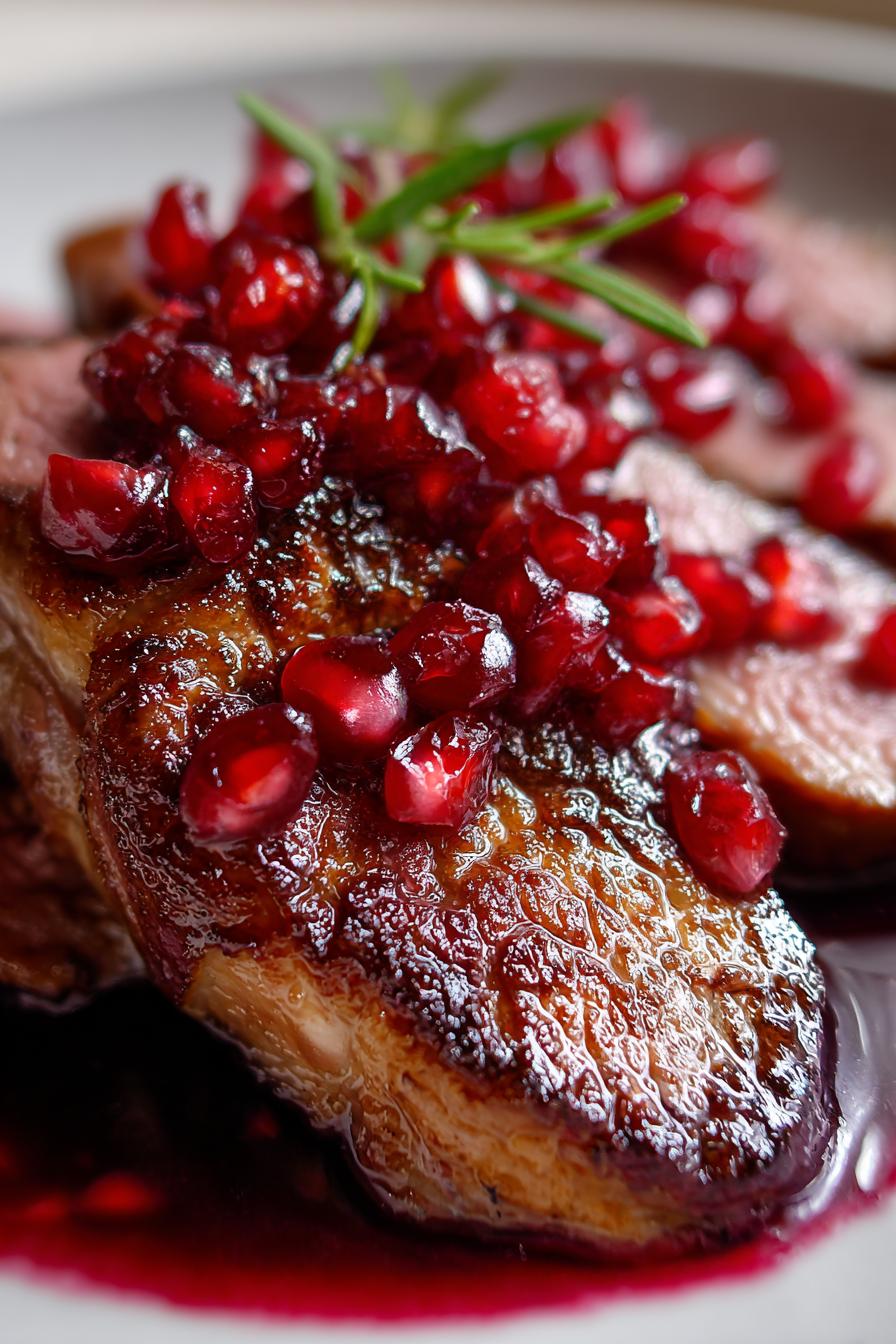
Oh, duck breast – that glorious, rich meat with skin so crisp it crackles like autumn leaves underfoot! I fell in love with this French-inspired dish during my first disastrous attempt (let’s just say smoke alarms were involved). But when you get it right? Magic. The secret lies in that perfect sear and a sauce that dances between sweet and tangy – which is exactly what this pomegranate gastrique delivers. It’s the kind of meal that makes you feel fancy without needing chef skills. Just wait till you hear how the pomegranate’s tartness cuts through the duck’s richness – it’s a flavor combo that’ll have you licking the plate!
Why You’ll Love This Duck Breast with Pomegranate Gastrique
Trust me, this dish is a game-changer. Here’s why:
- Restaurant-worthy in minutes: That crispy skin and rosy center look (and taste) like you spent hours, but it’s done in under 30 minutes.
- Sweet meets savory: The pomegranate gastrique? Pure magic. It’s got that tangy punch to balance the duck’s richness—no one-note flavors here.
- Impress without stress: Perfect for date nights or when you want to feel fancy. Bonus: It’s way easier than it sounds (I promise).
Seriously, once you hear that skin sizzle, you’ll be hooked.
Ingredients for Duck Breast with Pomegranate Gastrique
Gather these simple ingredients – quality matters here, especially with the duck! I learned the hard way that skimping leads to rubbery skin (cue sad dinner music). Here’s exactly what you’ll need:
- 2 duck breasts, skin-on – Look for plump ones with a good fat layer. That golden crispiness? Totally worth it.
- 1 cup pomegranate juice (unsweetened) – The bottled stuff works fine, but avoid anything labeled “cocktail” – too sugary!
- 2 tbsp honey – Start with this, then adjust. I like wildflower honey’s floral notes, but any real honey works.
- 1 tbsp balsamic vinegar – That aged syrupy kind if you’ve got it. It deepens the sauce beautifully.
- 1 tsp Dijon mustard – My secret weapon! Adds a subtle kick that keeps the sauce from being cloying.
- 1 tbsp olive oil – Just a splash to start the sear. Duck fat does the heavy lifting later!
- Salt and pepper – Be generous. Duck can handle it – I use flaky sea salt for that perfect crunch.
See? Nothing weird or hard-to-find. Just a handful of ingredients that transform into something seriously special.
Equipment You’ll Need
Don’t worry – no fancy gadgets required here! Just a few trusty tools from your kitchen (and yes, that well-loved cast iron counts). Here’s what you’ll grab:
- A heavy skillet (cast iron is perfect) – That even heat distribution is key for getting that skin crisp without burning. My grandma’s rusty old pan? Still works like a charm.
- Sharp knife – For scoring the duck skin. I use a paring knife – just enough grip to make those perfect little lines without going too deep (learned that lesson the messy way).
- Tongs – Flip those duck breasts like a pro without piercing them. Juices stay in, crispy skin stays intact – win-win.
- Measuring spoons – For the gastrique. Eyeballing the honey leads to sticky situations (literally).
- Small saucepan – For reducing that glorious pomegranate sauce. Nonstick makes cleanup easier, but any will do.
That’s it! No special equipment, just the basics. Now let’s make some magic.
How to Make Duck Breast with Pomegranate Gastrique
Okay, here’s where the magic happens! Don’t let the fancy name intimidate you – this dish comes together with just a few simple steps. The key? Patience with that skin and trusting your nose when the gastrique starts smelling like heaven. Let’s break it down:
Preparing the Duck Breast
First things first – that crispy skin won’t happen if you skip these steps (learned this the hard way after serving sad, flabby duck):
Score the skin: Lay your duck breast skin-side up. Grab that sharp knife and make diagonal cuts about 1/4 inch apart, just deep enough to slice through the fat layer but not into the meat. Think tic-tac-toe pattern – this helps render that fat beautifully.
Dry it well: Pat those breasts dry with paper towels like you’re blotting a sweaty forehead in summer. Moisture is the enemy of crispiness! I sometimes even leave them uncovered in the fridge for an hour for extra dryness.
Season generously: Salt and pepper both sides – don’t be shy! The fat needs seasoning too. I like to press the seasoning in gently so it sticks during cooking.
Making the Pomegranate Gastrique
While the duck rests (more on that soon), let’s make that glossy, tangy sauce that makes this dish sing:
Deglaze with care: After cooking the duck, pour off most of the fat (save it for roasting potatoes – trust me!). Keep those browned bits in the pan – they’re flavor gold. Add pomegranate juice and scrape gently.
The simmer dance: Add honey, balsamic, and mustard. Now here’s the trick – medium-low heat only! High heat burns the sugars and turns your gastrique bitter (voice of experience here). Stir occasionally as it reduces by half – about 5-7 minutes.
The spoon test: When the sauce coats the back of a spoon without running off immediately, it’s ready. It’ll thicken more as it cools, so err on the slightly thinner side. Taste and adjust – more honey if too tart, a splash of vinegar if too sweet.
Pro tip: If your sauce breaks (looks separated), whisk in a teaspoon of cold butter off heat – it’ll come right back together.
Tips for Perfect Duck Breast with Pomegranate Gastrique
After burning more duck breasts than I’d like to admit (and one memorable sauce disaster that resembled tar), I’ve picked up some foolproof tricks. These will take your dish from “okay” to “wow” every single time:
- Rest that duck! Let it sit for 5-7 minutes after cooking – this isn’t optional! Those juices redistribute so each slice stays succulent. Cut too soon, and you’ll watch all that goodness pool on the cutting board (sob).
- Low and slow for the sauce: That gastrique can go from perfect to burnt in seconds. If it starts smelling like caramel instead of fruit, pull it off the heat immediately. Better to have a slightly thin sauce than a bitter one.
- The fat is your friend: Don’t pour off all the duck fat after cooking! Leave about a tablespoon in the pan for the gastrique – it adds incredible depth. The rest? Save it in a jar in your fridge for roasting vegetables (game-changer).
- Slice against the grain: Find those faint muscle lines and cut perpendicular to them. This gives you tender bites instead of chewy ones. My first attempt? Let’s just say it was like eating rubber bands.
- Taste as you go: Sauce too sweet? Add a splash of vinegar. Too tart? Drizzle in more honey. Trust your palate – I always make mine slightly tangier since it mellows when paired with the rich duck.
- Patience with the skin: That perfect crisp takes time! Resist the urge to move the duck around while it’s skin-side down. Let it do its thing undisturbed for those full 5 minutes – peek only if you smell burning.
Remember, even my “perfect” duck now started as hockey pucks. With these tips, you’ll nail it faster than I did!
Serving Suggestions
Now that you’ve got this gorgeous duck breast with its ruby-red gastrique, let’s talk pairings! You want sides that complement without competing – nothing too heavy that’ll overshadow that beautiful duck. Here’s what I always reach for:
- Roasted Brussels sprouts – Tossed in a bit of that reserved duck fat (told you we’d use it!), they get crispy edges that play perfectly with the rich meat. Throw in some pomegranate arils if you’re feeling fancy!
- Wild rice pilaf – The nutty flavor and chewy texture soak up the gastrique beautifully. My quick version? Cook the rice in chicken broth with sautéed shallots and thyme.
- Buttery mashed potatoes – Classic for a reason! That creamy texture is heaven with the crispy duck skin. Pro tip: Swap half the butter for duck fat – life-changing.
- Simple arugula salad – Just dressed with lemon and olive oil. The peppery bite cuts through the richness and makes you feel virtuous.
For wine? A Pinot Noir with its bright acidity stands up to the duck without overpowering it. Or go festive with a glass of chilled pomegranate juice spiked with sparkling wine – it echoes the sauce beautifully!
Storing and Reheating
Okay, let’s talk leftovers – because let’s be real, sometimes you miraculously have some duck breast left (or you’re smart like me and cook extra on purpose). Here’s how to keep that glorious crispy skin and juicy meat tasting amazing:
Storing it right: Let the duck cool completely before wrapping it up – I learned this the hard way when steam turned my crispy skin soggy. Wrap each breast tightly in foil or stash it in an airtight container, and it’ll keep beautifully in the fridge for up to 2 days. The gastrique? Pop it in a separate little jar – it thickens as it chills, which is actually perfect!
Reheating like a pro: Never, ever microwave duck breast unless you want leather! Here’s my foolproof method: Heat your oven to 300°F. Place the duck on a wire rack over a baking sheet and warm it for about 8-10 minutes – just until heated through. This keeps the skin from getting rubbery. For the gastrique, warm it gently in a small saucepan with a splash of water to loosen it up.
Bonus tip: If you stored the slices with some sauce already on them, place them skin-side up when reheating. That way the skin stays relatively crisp while the sauce underneath keeps the meat moist. Genius, right?
Honestly? The duck’s still fantastic cold the next day – I’ve been known to sneak slices straight from the fridge for a midnight snack. But if you want it warm, this method keeps all that hard work from going to waste!
Duck Breast with Pomegranate Gastrique FAQs
I get so many questions about this recipe – here are the ones that pop up most often (along with all my hard-won answers from trial and error!):
Can I use frozen duck breast?
Oh, I’ve been there! Yes, but thaw it slowly in the fridge overnight first. Never at room temp – that’s how you end up with mushy skin. Pat it extra dry before cooking to compensate for any moisture. Pro tip: If you’re in a pinch, seal the frozen breast in a bag and submerge it in cold water for quicker thawing.
What can I substitute for pomegranate juice?
In a bind? Try equal parts cranberry juice and orange juice – you’ll get that tart-sweet balance. Cherry juice works too, though it’ll make the sauce darker. Whatever you do, avoid grape juice (too sweet) or lemon juice (too sharp). My grandma once used blackcurrant cordial diluted with water in desperation – shockingly good!
Why is my duck skin not getting crispy?
Three likely culprits: 1) You didn’t score deeply enough (those cuts should be 1/4 inch apart), 2) The pan wasn’t hot enough when you started (wait until you see wisps of smoke from the oil), or 3) You moved the duck too soon – leave it undisturbed for the full 5 minutes! My first ten attempts failed because I kept poking at it like an anxious squirrel.
Can I make the gastrique ahead?
Absolutely! It keeps beautifully in the fridge for up to a week – just reheat gently with a splash of water to loosen it. The flavors actually deepen over time. I often double the batch to have extra for glazing roasted carrots or drizzling over goat cheese crostini later.
How do I know when the duck is done?
Invest in a meat thermometer (125°F for medium-rare is perfect). No thermometer? Use the finger test: Gently press the meat – it should feel like the fleshy part of your palm when you touch your thumb to middle finger. And remember – it’ll keep cooking while resting, so pull it just before it reaches your desired doneness.
Nutritional Information
Now, I’m no nutritionist (my idea of balance is eating salad after polishing off duck skin), but here’s the scoop on what’s in each glorious serving. Remember – these are estimates since honey sweetness and duck fat content vary. My philosophy? If you’re going to indulge, make it count with quality ingredients!
- Calories: About 350 per serving – rich but not outrageous for such a luxurious dish
- Protein: A solid 25g from that beautiful duck breast – keeps you full for hours
- Fat: 20g total (6g saturated) – mostly from that glorious crispy skin
- Carbs: 15g – mostly from the pomegranate and honey
- Sugar: 12g – the natural kind from fruit and honey, not added junk
Bonus? Duck fat is actually high in monounsaturated fats (like olive oil!), and pomegranate juice packs antioxidants. So really, this is practically health food… right? Okay fine, maybe not, but life’s too short not to enjoy crispy duck skin!
PrintIrresistible 30Minute Duck Breast with Pomegranate Gastrique

A savory duck breast dish paired with a sweet and tangy pomegranate gastrique.
- Prep Time: 10 minutes
- Cook Time: 15 minutes
- Total Time: 25 minutes
- Yield: 2 servings 1x
- Category: Main Course
- Method: Pan-seared
- Cuisine: French
- Diet: Low Lactose
Ingredients
- 2 duck breasts
- 1 cup pomegranate juice
- 2 tbsp honey
- 1 tbsp balsamic vinegar
- 1 tsp Dijon mustard
- 1 tbsp olive oil
- Salt and pepper to taste
Instructions
- Score the duck skin in a crisscross pattern.
- Season the duck breasts with salt and pepper.
- Heat olive oil in a pan over medium heat.
- Sear the duck skin-side down for 5 minutes.
- Flip and cook for another 3 minutes.
- Remove the duck and let it rest.
- In the same pan, add pomegranate juice, honey, balsamic vinegar, and mustard.
- Simmer until the sauce thickens.
- Slice the duck and drizzle with the gastrique.
Notes
- Let the duck rest before slicing to retain juices.
- Adjust honey for desired sweetness.
Nutrition
- Serving Size: 1 breast
- Calories: 350
- Sugar: 12g
- Sodium: 200mg
- Fat: 20g
- Saturated Fat: 6g
- Unsaturated Fat: 12g
- Trans Fat: 0g
- Carbohydrates: 15g
- Fiber: 1g
- Protein: 25g
- Cholesterol: 90mg