
Juicy Spanish Ibérico Pork with 5-Minute Fig Gastrique
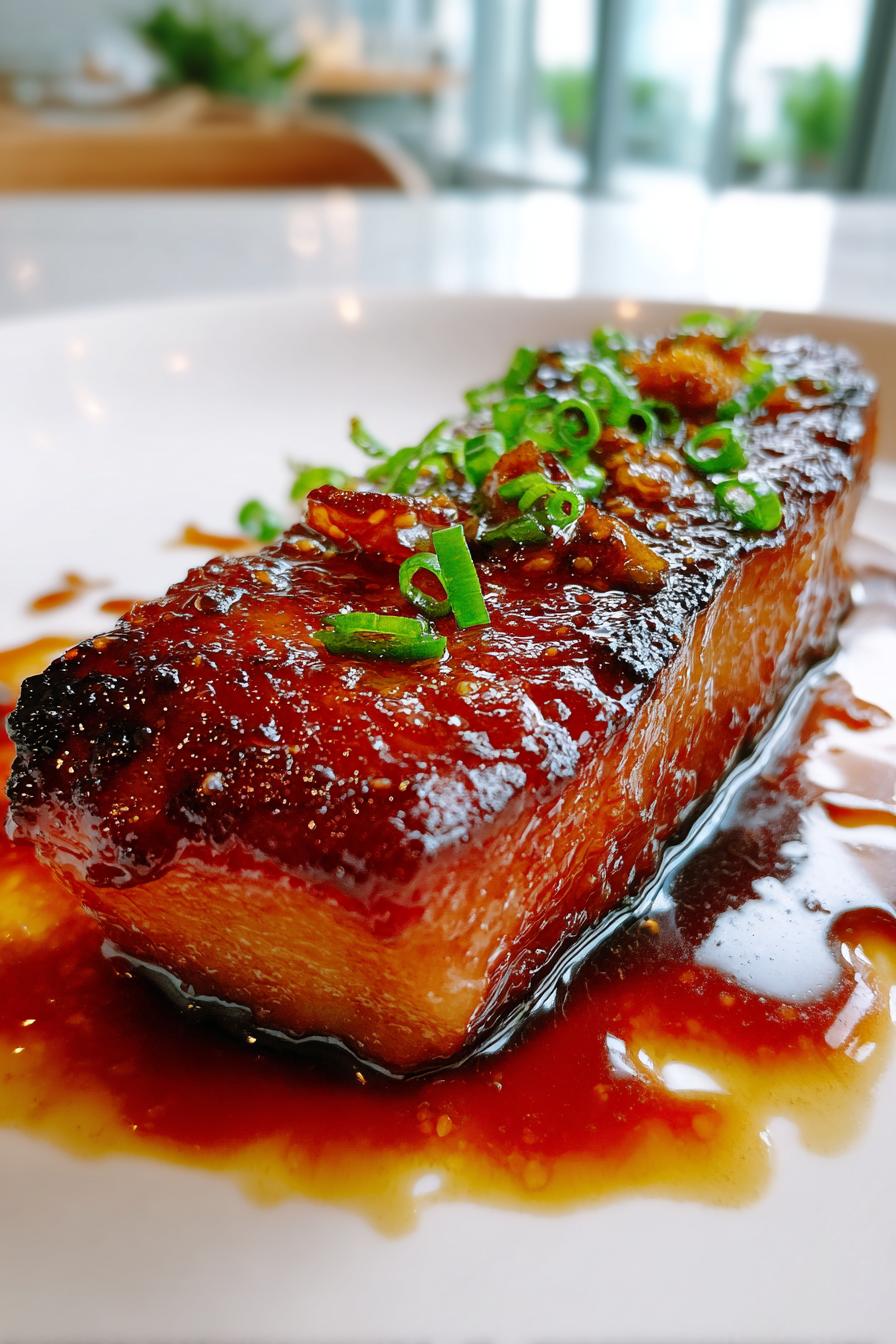
Picture this: the moment your fork sinks into a perfectly seared Ibérico pork chop, its rich marbling melting into a sweet-tangy fig gastrique that makes your taste buds dance. This Spanish Ibérico Pork with Fig Gastrique is my go-to when I want something fancy-feeling but don’t want to spend hours in the kitchen. The magic? That incredible Ibérico pork—raised on acorns, it’s buttery and rich without being heavy—paired with a glossy sauce that balances ripe figs, honey, and just enough balsamic vinegar to keep things interesting.
I fell in love with this combo during a trip to Andalusia, where a local abuela (grandmother) taught me her trick: letting the gastrique reduce just until it coats the back of a spoon. Now, it’s my secret weapon for dinner parties when I want “wow” factor fast. In under 30 minutes, you’ve got a dish that feels straight out of a Spanish taberna, with layers of flavor that linger long after the last bite.
Why You’ll Love This Spanish Ibérico Pork with Fig Gastrique
Trust me, this isn’t just another pork dish—it’s a flavor explosion that’ll make you feel like a Michelin-starred chef without the fuss. Here’s why I’m obsessed:
- That Ibérico magic: The pork’s nutty, almost sweet richness (thanks to those acorn-fed pigs!) pairs perfectly with the bright fig gastrique. It’s like they were made for each other.
- Fast fancy: From pan to plate in 25 minutes flat. I’ve served this to guests who swore I’d been cooking all day—our little secret!
- Sweet-meets-savory: The gastrique isn’t cloying—it’s got depth from the balsamic and rosemary, with just enough honey to make the figs sing.
- Dinner party gold: Looks gorgeous on the plate (drizzle that sauce artfully!) but simple enough for weeknights when you need a pick-me-up.
Pro tip: The first time I made this, my husband asked if we could have it weekly. Five years later… we still do.
Ingredients for Spanish Ibérico Pork with Fig Gastrique
Here’s the short-but-mighty list that makes this dish sing. I’ve grouped them so you can see how everything plays together:
- For the pork:
- 2 Ibérico pork chops (about 1 inch thick—trust me, thickness matters!)
- 1 tbsp olive oil (the good stuff—it’s your searing secret weapon)
- 1/2 tsp fine sea salt (I swear by Maldon for that delicate crunch)
- 1/4 tsp black pepper (freshly cracked, please!)
- For the gastrique:
- 1/2 cup fresh figs, diced (Black Mission figs are my favorite—so jammy!)
- 1/4 cup balsamic vinegar (not reduced—we’ll do that ourselves)
- 2 tbsp honey (adjust to taste—I like it floral with orange blossom honey)
- 1 sprig fresh rosemary (just one—it’s potent!)
See? No fussy ingredients. Just a handful of stars that do all the heavy lifting.
How to Make Spanish Ibérico Pork with Fig Gastrique
Okay, let’s get cooking! This is where the magic happens—and I promise, it’s way easier than it looks. Just follow these steps, and you’ll have a restaurant-quality dish that’ll make everyone at the table think you’ve been slaving away for hours. (Our little secret: it’s mostly just letting the ingredients shine!)
Seasoning and Searing the Pork
First things first: dry pork chops are happy pork chops. Pat those beauties dry with paper towels—this is the golden rule for a perfect sear. Sprinkle both sides evenly with salt and pepper (don’t be shy—this is your flavor foundation).
Now, heat that olive oil in a heavy pan (I use my trusty cast iron) over medium-high heat. You’ll know it’s ready when a drop of water sizzles on contact. Gently lay the chops in—give them space! No crowding, or they’ll steam instead of sear. Let them cook undisturbed for 4 minutes (set a timer—no peeking!). When you flip them, you should see that gorgeous golden-brown crust. Another 4-5 minutes on the other side, then transfer to a plate. They’ll finish cooking while resting, so don’t worry if they’re not quite done yet.
Preparing the Fig Gastrique
Same pan, don’t wash it! Those crispy bits equal flavor gold. Keep the heat at medium and toss in the figs—hear that sizzle? Stir them for about 30 seconds until they start to soften. Now pour in the balsamic vinegar (stand back—it’ll steam!), honey, and that rosemary sprig. Let it bubble away for 4-5 minutes, stirring occasionally. You’re waiting for it to thicken just enough to coat the back of a spoon. Pro tip: Drag your spoon through it—if it leaves a clean trail for a second, it’s ready. Fish out the rosemary sprig (its job is done), and take the pan off the heat.
Resting and Serving
Here’s where patience pays off: let those pork chops rest for 5 full minutes. I know, I know—it’s tempting to dive in, but this lets the juices redistribute so every bite is juicy. Then, slice if you like (I sometimes serve them whole for drama) and drizzle that luscious fig gastrique all over. The contrast of the savory pork with that glossy, sweet-tart sauce? Absolute perfection. For the full experience, take your first bite with a bit of pork, a swipe of sauce, and maybe a little fig piece—it’s a flavor explosion!
Expert Tips for Perfect Spanish Ibérico Pork with Fig Gastrique
After making this dish more times than I can count (and learning from a few oops moments), here are my hard-won secrets for nailing it every single time:
- Choose figs that give slightly when pressed – Too firm, and they won’t break down into that luscious sauce. Too mushy, and they’ll disappear. I look for figs that smell sweet at the stem end—that’s nature’s ripeness indicator!
- Deglaze like you mean it – When adding the balsamic vinegar, scrape that pan with wooden spoon like you’re uncovering treasure (because you are!). Those browned pork bits add insane depth. If they’re stubborn, a splash of warm water helps loosen them.
- Resting isn’t optional – I know it’s tempting to skip the 5-minute wait, but trust me—those juices need time to settle. Cover loosely with foil to keep warm. The payoff? Pork so tender, your knife just sighs through it.
- Watch the gastrique like a hawk – It goes from perfect to burnt in seconds. The moment it coats your spoon with a slow drip (like warm honey), pull it off the heat. Residual heat will thicken it more as it cools.
Bonus tip from my Spanish friend María: If your gastrique gets too thick, whisk in a teaspoon of warm water. It’ll loosen up without dulling the flavors. Genius!
Ingredient Notes and Substitutions
Can’t find Ibérico pork? Don’t stress—thick-cut Berkshire or Duroc chops work beautifully (just look for good marbling). For figs, in a pinch, soak 1/4 cup dried figs in hot water for 10 minutes until plump, then chop. No balsamic? A mix of 2 tbsp red wine vinegar + 1 tsp maple syrup makes a decent stand-in (though you’ll lose some depth). And if rosemary’s too strong for you, thyme leaves add a gentler herbal note. The key? Adapt, but keep that sweet-savory balance—that’s the soul of this dish!
Serving Suggestions for Spanish Ibérico Pork with Fig Gastrique
Now, let’s talk about turning this showstopper into a full meal! The Ibérico pork and fig gastrique are the stars, but these pairings make them shine even brighter:
- Crispy roasted fingerlings – Tossed with olive oil, garlic, and smoked paprika, they’re the perfect crunchy contrast to that luscious pork. Bonus: They sop up extra gastrique like little flavor sponges!
- Arugula salad with manchego – Peppery greens, shaved cheese, and a lemon vinaigrette cut through the richness. My trick? Toss in some toasted Marcona almonds for crunch.
- Crusty bread – Non-negotiable! A warm baguette for mopping up every last drop of sauce. (I may or may not have licked my plate clean when no one was looking.)
- Sangria or Tempranillo – A glass of Spanish red or fruity sangria ties the whole meal together. The wine’s tannins balance the pork’s fat beautifully.
For special occasions, I’ll add blistered padrón peppers or saffron rice—but honestly? Even just the pork and a simple salad feel like a celebration. That’s the magic of this dish!
Storage and Reheating
Leftovers? (Lucky you!) Store pork and sauce separately in airtight containers—they’ll keep for 2 days max. When reheating, go low and slow: warm the pork in a 300°F oven for 8-10 minutes (cover with foil to prevent drying out), and gently heat the gastrique on the stove with a splash of water to loosen. Pro tip: Underwarm the pork—it’ll keep cooking as it sits!
Nutritional Information
Now, let’s talk numbers—but keep in mind, these are estimates that’ll dance around depending on your exact ingredients (especially that glorious Ibérico pork fat content!). Here’s the general picture per serving:
This Spanish Ibérico Pork with Fig Gastrique is rich where it counts—packed with protein from that premium pork and just enough natural sweetness from the figs and honey to keep things balanced. It’s naturally low in lactose (just skip the cheese if you’re pairing with salad) and gives you that satisfying umami punch we all crave.
Remember: nutrition labels lie! Your Black Mission figs might be sweeter than mine, or your pork chop could have more marbling—that’s the beauty of cooking with real ingredients. The important thing? Every bite delivers incredible flavor without any processed nonsense. Now that’s what I call good eating!
FAQs About Spanish Ibérico Pork with Fig Gastrique
Got questions? I’ve got answers! Here are the ones I get asked most often—plus a few “aha!” moments from my own kitchen experiments:
Can I use pork loin instead of chops?
Absolutely! Just adjust your cook time—since loin is leaner, I’d do 3 minutes per side over medium heat (not medium-high) to avoid drying out. Bonus: slice it thin against the grain before drizzling with that fig gastrique. The sauce clings beautifully to every piece!
Help—my gastrique is too tangy! What now?
No sweat! Stir in an extra teaspoon of honey (warm it slightly first so it blends easily). Taste as you go—sometimes all it needs is a pinch of salt to balance things out. My Spanish friend Carlos taught me this trick: add a pat of cold butter off-heat for instant silkiness.
What’s the best fig variety for this dish?
Hands down, Black Mission figs—they’re jammy, sweet, and hold their shape when cooked. If you can’t find them, Brown Turkey figs work too (just chop them smaller). Avoid Kadotas—they’re too firm and don’t break down into that luscious sauce we love.
Got your own twist on this recipe? Share your genius in the comments—I’m always hunting for new ideas!
PrintJuicy Spanish Ibérico Pork with 5-Minute Fig Gastrique

A savory dish featuring Spanish Ibérico pork paired with a sweet and tangy fig gastrique.
- Prep Time: 10 minutes
- Cook Time: 15 minutes
- Total Time: 25 minutes
- Yield: 2 servings 1x
- Category: Main Course
- Method: Pan-searing
- Cuisine: Spanish
- Diet: Low Lactose
Ingredients
- 2 Ibérico pork chops (about 1 inch thick)
- 1/2 cup fresh figs, diced
- 1/4 cup balsamic vinegar
- 2 tbsp honey
- 1 tbsp olive oil
- 1/2 tsp salt
- 1/4 tsp black pepper
- 1 sprig fresh rosemary
Instructions
- Season pork chops with salt and pepper.
- Heat olive oil in a pan over medium-high heat.
- Sear pork chops for 4-5 minutes per side until golden brown.
- Remove pork and let rest.
- In the same pan, add figs, balsamic vinegar, honey, and rosemary.
- Simmer for 5 minutes until thickened.
- Drizzle gastrique over pork before serving.
Notes
- Use ripe figs for best flavor.
- Let pork rest for 5 minutes before slicing.
- Adjust honey to taste for sweetness.
Nutrition
- Serving Size: 1 pork chop with sauce
- Calories: 450
- Sugar: 18g
- Sodium: 320mg
- Fat: 22g
- Saturated Fat: 6g
- Unsaturated Fat: 14g
- Trans Fat: 0g
- Carbohydrates: 25g
- Fiber: 2g
- Protein: 35g
- Cholesterol: 95mg