Crispy Falafel Recipe: 5 Secrets for Perfect Golden Crunch
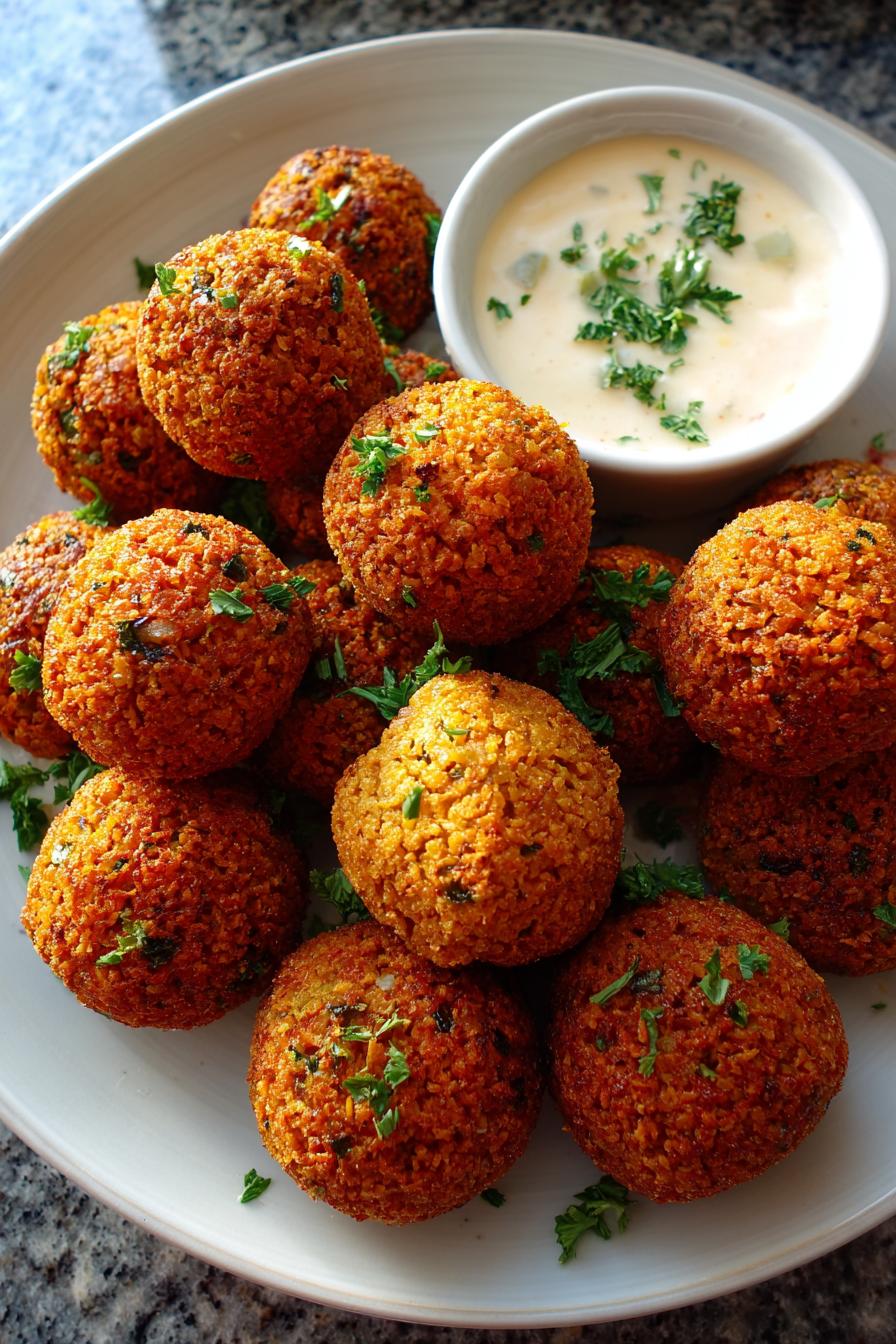
There’s something magical about biting into a perfectly crispy falafel—that golden crust giving way to a fragrant, herb-packed center. This Middle Eastern staple, made from humble chickpeas and fresh herbs, has been my go-to for quick lunches and party appetizers for years. I still remember my first attempt at homemade falafel; let’s just say it was more “crumbles” than “crispy,” but after plenty of trial and error (and a few burned batches), I’ve nailed down the secrets to getting that authentic texture and flavor every time.
What I love most about falafel is its incredible versatility. Stuff it in pita with tahini sauce for a classic sandwich, crumble it over salads, or serve it as finger food with dips. Every Middle Eastern family seems to have their own version, but the core remains the same—fresh ingredients, bold spices, and that irresistible contrast between the crunchy exterior and tender interior. Trust me, once you taste homemade falafel, you’ll never go back to the dry, store-bought versions again.
Why You’ll Love This Falafel Recipe
This isn’t just another falafel recipe – it’s the one that’ll ruin all other falafels for you. Here’s why:
- That perfect crunch: The golden-brown exterior shatters beautifully to reveal a tender, herb-packed interior – exactly how falafel should be!
- Authentic flavors without fuss: No fancy techniques here, just fresh herbs and spices doing their magic. My Middle Eastern friend swore this tasted like her grandma’s version.
- Vegetarian powerhouse: Packed with protein from chickpeas, it’s satisfying enough to make meat-lovers forget they’re eating plants.
- Meal chameleon: Breakfast pita sandwich? Check. Salad topper? Check. Midnight snack straight from the fridge? Been there!
- Weeknight-friendly: From food processor to plate in under 30 minutes – faster than waiting in line at that falafel shop!
Seriously, once you nail this recipe (and you will), you’ll find excuses to make falafel weekly. I may or may not have eaten three batches last month…
Falafel Ingredients
Here’s the beautiful simplicity of great falafel – just a handful of fresh ingredients working together. But don’t let that fool you; each one plays a crucial role in creating that perfect texture and flavor. I learned this the hard way when I tried substituting dried herbs for fresh (spoiler: it was a sad, pale imitation).
- 1 cup dried chickpeas (soaked overnight, NOT canned): This is non-negotiable! Canned chickpeas are too soft and wet – your falafel will turn to mush. The dried ones give that signature grainy texture when ground.
- 1 small onion (chopped): About the size of a baseball – too much and the mixture gets watery. I like yellow for sweetness, but red works too for extra bite.
- 3 garlic cloves (minced): Fresh is best here – that pre-minced jarred stuff just doesn’t pack the same punch.
- 1/2 cup fresh parsley (packed): Seriously, pack those leaves in! This gives that vibrant green color and fresh flavor. Stems are fine – they add texture.
- 1/2 cup fresh cilantro (packed): Love it or hate it, this herb is falafel’s best friend. If you’re a cilantro hater, you can use all parsley, but it won’t taste quite right.
- 1 tsp cumin: That warm, earthy backbone of Middle Eastern cooking. I sometimes add an extra pinch because I can’t help myself.
- 1 tsp coriander: Cumin’s citrusy cousin – they’re the dynamic spice duo.
- 1/2 tsp salt: Start here, then taste the mixture – you might want another pinch.
- 1/4 tsp black pepper: Freshly ground if you can – it makes a difference!
- 1/4 tsp baking soda: Our little rising agent secret – helps keep the falafel light.
- 2 tbsp flour: Just enough to bind everything without making it heavy. All-purpose works great.
- Vegetable oil for frying: A neutral oil with high smoke point – I use canola or peanut oil in my trusty cast iron.
See? Nothing fancy here. But when these simple ingredients come together the right way, magic happens. My friend’s Lebanese aunt once told me, “Good falafel needs nothing to hide behind” – and she was absolutely right.
How to Make Falafel
Alright, let’s get to the fun part – turning those simple ingredients into crispy, golden falafel! I’ll walk you through each step just like my Lebanese neighbor taught me, with all the little tricks that make all the difference. The key here is patience (don’t rush the soaking!) and paying attention to textures – we want that perfect coarse grind, not hummus!
Step 1: Prepare the Mixture
First things first – drain those soaked chickpeas and give them a good pat dry with paper towels. Any extra moisture is the enemy of crispy falafel! Now, toss them into your food processor along with the onion, garlic, parsley, cilantro, cumin, coriander, salt, and pepper.
Here’s where most people go wrong – they over-process! You want to pulse about 15-20 times until everything is finely chopped but still has texture. Stop when it looks like coarse sand with some tiny chickpea pieces visible. If it starts looking like paste, you’ve gone too far – but don’t panic! Just add a tablespoon of flour to help dry it out.
Transfer the mixture to a bowl and sprinkle in the baking soda and flour. Mix gently with your hands – this is where you really get to know your falafel! It should hold together when you squeeze a bit in your palm. Too crumbly? Add another teaspoon of flour. Too wet? Let it sit uncovered for 10 minutes to dry out slightly.
Step 2: Shape and Cook the Falafel
Now for my favorite part – shaping! Scoop about 2 tablespoons of mixture and gently roll into balls (or flatten slightly for patties). Pro tip: wet your hands lightly to prevent sticking. If the mixture feels warm, pop it in the fridge for 15 minutes – chilled dough holds its shape better when frying.
Heat about 2 inches of oil in a heavy pan (I swear by my cast iron skillet) over medium heat until it reaches 350°F. No thermometer? Test with a breadcrumb – it should sizzle immediately but not burn. Carefully add 4-5 falafel at a time – overcrowding drops the oil temp and makes them soggy. Fry for 3-4 minutes until deeply golden, flipping once with a slotted spoon.
Drain on paper towels – resist eating them straight from the oil! (Though I won’t judge if you sneak one.) That first bite of hot, crispy falafel with the tender green interior? Absolute perfection. Just wait until you smell your kitchen – it’ll transport you straight to the streets of Beirut!
Tips for Perfect Falafel
After making more falafel than I can count (and yes, plenty of failed batches along the way), I’ve picked up some game-changing tricks that’ll take your falafel from good to “oh-my-goodness-where-have-you-been-all-my-life” amazing.
Never, ever use canned chickpeas: I know it’s tempting to skip the overnight soak, but trust me, it’s worth the wait. Canned chickpeas are just too soft and wet – your falafel will fall apart in the oil, leaving you with a sad, greasy mess. Dried chickpeas give that perfect coarse texture that holds together.
Chill before frying – seriously! That 30-minute rest in the fridge isn’t just a suggestion. It helps the flavors meld and firms up the mixture so it doesn’t crumble in the hot oil. I’ve even left mine overnight when prepping ahead, and wow, the texture difference is incredible.
Test your oil like a pro: No thermometer? No problem! Drop in a tiny breadcrumb – if it sizzles immediately but doesn’t burn, you’re golden (literally). Too hot? The outside burns before the inside cooks. Too cool? Your falafel will soak up oil like a sponge.
The baking soda trick: That little bit of baking soda isn’t just for show – it creates tiny air pockets that make your falafel light and fluffy inside while staying crispy outside. But don’t go overboard or you’ll taste it!
Fry in batches, be patient: I know it’s hard to wait when you’re hungry, but crowding the pan is the quickest way to soggy falafel. Give them space to swim in that oil, and you’ll be rewarded with perfect crispiness every time.
Baking option for health nuts: For a lighter version, bake at 375°F on a parchment-lined sheet for about 20 minutes, flipping halfway. They won’t get quite as crispy as fried, but a quick spritz of oil before baking helps. My trick? Finish under the broiler for 1 minute for extra crunch!
Falafel Variations
One of the best things about falafel is how wonderfully adaptable it is! Once you’ve mastered the basic recipe, it’s so fun to play around with different flavors and cooking methods. I love experimenting with variations depending on what’s in season or what mood I’m in (and let’s be honest, how guilty I feel about frying!).
Baked Falafel Option
For those days when I want all the falafel goodness without quite as much oil, baking is my go-to. Preheat your oven to 375°F and line a baking sheet with parchment paper (trust me, this prevents sticking disasters). Shape your falafel as usual, then give them a light brush or spritz of oil – this helps them crisp up beautifully. Bake for about 20 minutes, flipping halfway through. They won’t get quite as golden as fried falafel, but that last minute under the broiler works wonders for extra crunch!
Spinach Power: Sneak in some extra greens by blending a handful of fresh spinach with the herbs. The color turns this gorgeous deep green, and you get that satisfying “I’m being healthy” feeling with every bite.
Minty Fresh: Swap out half the parsley for fresh mint leaves for a brighter, more refreshing flavor. This version is incredible in summer salads or with yogurt sauce.
Spice It Up: Add a pinch of cayenne or smoked paprika to the mix if you like some heat. My husband begs me to make these extra spicy ones for game day snacks!
Herb Lover’s Dream: Go wild with additional herbs like dill or basil for completely different flavor profiles. I once used mostly dill when that’s all I had, and it tasted like a whole new dish.
The beauty of falafel is that it welcomes creativity while still staying true to its roots. Whether you’re baking, adding greens, or playing with herbs, each variation brings something special to the table. Just remember – no matter how you tweak it, that crispy exterior and tender interior should always be the goal!
Serving Suggestions
Now comes the best part – loading up your plate with all the delicious ways to enjoy these golden beauties! I’ve lost count of how many meals I’ve turned into a falafel party, but here are my absolute favorite ways to serve them (and yes, eating them straight off the baking sheet totally counts).
The Classic Pita Pocket: Warm a pita just until it puffs up, then stuff it with falafel, crisp veggies, and a generous drizzle of tahini sauce. My trick? Line the pita with lettuce first – it keeps the bread from getting soggy! Add pickled turnips if you’re feeling fancy; their bright pink color and tangy bite take it over the top.
Salad Game Changer: Crumble falafel over a bed of crisp romaine, cucumber, tomatoes, and red onion. Top with a lemony garlic dressing and watch how it transforms a simple salad into a meal you’ll crave daily. I swear, my coworkers always ask what smells so amazing when I bring this for lunch.
Mezze Platter Star: Arrange falafel on a big platter with hummus, baba ganoush, olives, and warm flatbread. Perfect for when friends drop by unexpectedly – it looks impressive but takes minutes to throw together. Bonus points if you serve them still warm; the creamy dips contrast beautifully with the crispy exterior.
Breakfast of Champions: Yes, breakfast! Slide a falafel or two into a soft scrambled egg wrap with some hot sauce. My husband thought I was crazy until he tried it – now it’s our Sunday brunch staple.
Dippable Delight: Serve them as finger food with an array of sauces for dipping. Beyond tahini, try a cool cucumber yogurt sauce or spicy harissa mayo. I always make extra because they disappear fast at parties – last time, my guests polished off two batches before I could even sit down!
Really, the possibilities are endless. Whether you’re going traditional or getting creative, just make sure to enjoy them while they’re fresh and crispy. That first bite of warm falafel with all your favorite toppings? Pure happiness on a plate.
Storing and Reheating Falafel
Let’s be real – leftover falafel is rare in my house (we have zero self-control), but when it does happen, I’ve mastered the art of bringing them back to their crispy glory. After one too many sad, soggy microwave reheats, I’ve learned the hard way that falafel deserves special treatment!
Short-term storage: If you’ve got leftovers (lucky you!), let them cool completely before storing in an airtight container in the fridge. They’ll keep for about 3 days, though they lose some crispiness. My trick? Separate layers with parchment paper so they don’t stick together.
The air fryer revival: This is my game-changer for leftover falafel! Preheat your air fryer to 375°F and give the falafel a quick spritz of oil. Cook for 3-4 minutes, shaking halfway, and boom – they come out nearly as crispy as fresh. It works so well I sometimes make extra just to enjoy them reheated!
Oven method: No air fryer? No problem. Spread falafel on a baking sheet and pop into a 375°F oven for about 5 minutes. Flip halfway through – you’ll get them nice and warm with a decent crunch.
Freezing like a pro: For long-term storage, freeze uncooked falafel balls on a parchment-lined tray until solid (about 2 hours), then transfer to freezer bags. They’ll keep for 3 months – just add 1-2 minutes to cooking time when ready to fry. Cooked falafel freezes well too, though the texture isn’t quite as perfect after thawing.
Pro tip: If freezing cooked falafel, undercook them slightly before freezing. That way when you reheat, they won’t dry out. I’ve found this works especially well for baked falafel varieties.
The best part? Even day-old falafel makes incredible sandwiches – just warm them slightly and they’ll still taste amazing tucked into pita with all your favorite fixings. Though between you and me, they rarely last long enough in my fridge to test their full storage potential!
Falafel FAQs
Over the years, I’ve gotten so many questions about falafel from friends and family (usually after their first disastrous attempt with canned chickpeas – we’ve all been there!). Here are the answers to the ones that pop up most often, along with hard-won tips from my own kitchen mishaps.
Can I use canned chickpeas instead of dried?
Oh honey, no – and I say this with love! Canned chickpeas are just too soft and wet. They’ll turn your falafel into mushy little disasters that fall apart in the oil. Dried chickpeas soaked overnight give that perfect coarse texture that holds together. Trust me, the extra planning is worth it!
How long can I keep the uncooked mixture?
The mixture keeps beautifully in the fridge for about 24 hours (I’ve pushed it to 36 in a pinch). Store it in an airtight container with plastic wrap pressed directly on the surface to prevent drying. The flavors actually deepen as it chills – my Lebanese friend’s mom swears overnight resting makes the best falafel!
Why does my falafel keep falling apart when frying?
Usually this means your mixture is too wet or wasn’t processed correctly. Try adding 1-2 more tablespoons of flour to help bind it. Also make sure you’re not over-processing – you want texture, not paste! And don’t skip the chilling step – it really helps the falafel hold its shape.
Can I make falafel without a food processor?
Absolutely! My grandma used to grind everything with a meat grinder, but a good old-fashioned knife and some patience works too. Finely chop all ingredients by hand, then mash the chickpeas with a fork or potato masher. It’ll be more work, but the texture is actually lovely – slightly chunkier than machine-processed.
What’s the best oil for frying falafel?
I swear by peanut or canola oil for their high smoke points, but any neutral vegetable oil works. Olive oil can be too strongly flavored and smokes at lower temperatures. The key is maintaining that 350°F sweet spot – too cool and your falafel gets greasy, too hot and they burn before cooking through.
Why is my falafel raw inside but burned outside?
This usually means your oil was too hot! The outside cooks too quickly before heat penetrates the center. Next time, test your oil temperature (that breadcrumb trick never fails) and reduce the heat slightly. Also try making smaller falafel balls – they’ll cook more evenly.
Nutritional Information
Now, let’s talk numbers – but remember, these are just estimates since falafel nutrition can vary based on how much oil they absorb during frying and the specific brands you use. I always say, “Good food is about joy first, numbers second!” That said, here’s the breakdown per 3 falafel (about a standard serving):
- Calories: 150
- Protein: 6g (Not bad for a plant-based option!)
- Carbohydrates: 18g
- Fiber: 4g (Thanks to those mighty chickpeas!)
- Sugar: 2g
- Fat: 7g
- Saturated Fat: 1g
- Sodium: 200mg
A few things to note: If you bake instead of fry, you’ll save about 30 calories per serving and reduce the fat content significantly. Also, that fiber content makes falafel surprisingly filling – I often find three pieces with veggies keeps me satisfied for hours. The protein comes entirely from plants, making this a great meatless option that doesn’t leave you hungry an hour later (my meat-loving brother was shocked by this!).
Remember, these numbers can shift based on your exact preparation method – how much oil your falafel absorbs, whether you use a bit more or less flour, even how finely you chop your herbs. But one thing’s for sure: when made with quality ingredients, falafel packs a nutritious punch that tastes anything but “healthy diet food!”
PrintCrispy Falafel Recipe: 5 Secrets for Perfect Golden Crunch

A crispy and flavorful Middle Eastern dish made from ground chickpeas and herbs, perfect for sandwiches or salads.
- Prep Time: 15 minutes
- Cook Time: 10 minutes
- Total Time: 25 minutes
- Yield: 12 falafel 1x
- Category: Appetizer
- Method: Frying
- Cuisine: Middle Eastern
- Diet: Vegetarian
Ingredients
- 1 cup dried chickpeas, soaked overnight
- 1 small onion, chopped
- 3 garlic cloves
- 1/2 cup fresh parsley
- 1/2 cup fresh cilantro
- 1 tsp cumin
- 1 tsp coriander
- 1/2 tsp salt
- 1/4 tsp black pepper
- 1/4 tsp baking soda
- 2 tbsp flour
- Vegetable oil for frying
Instructions
- Drain soaked chickpeas and pat dry.
- Combine chickpeas, onion, garlic, parsley, cilantro, cumin, coriander, salt, and pepper in a food processor.
- Pulse until mixture is finely ground but not pasty.
- Transfer to a bowl and mix in baking soda and flour.
- Shape mixture into small balls or patties.
- Heat oil in a pan over medium heat.
- Fry falafel in batches until golden brown, about 3-4 minutes per side.
- Drain on paper towels and serve hot.
Notes
- Do not use canned chickpeas—they will make the mixture too wet.
- For extra crispiness, chill the mixture for 30 minutes before shaping.
- Bake at 375°F for 20 minutes for a healthier option.
Nutrition
- Serving Size: 3 falafel
- Calories: 150
- Sugar: 2g
- Sodium: 200mg
- Fat: 7g
- Saturated Fat: 1g
- Unsaturated Fat: 5g
- Trans Fat: 0g
- Carbohydrates: 18g
- Fiber: 4g
- Protein: 6g
- Cholesterol: 0mg