Japanese Uni Chawanmushi with Gold Leafesy Luxurious Delight
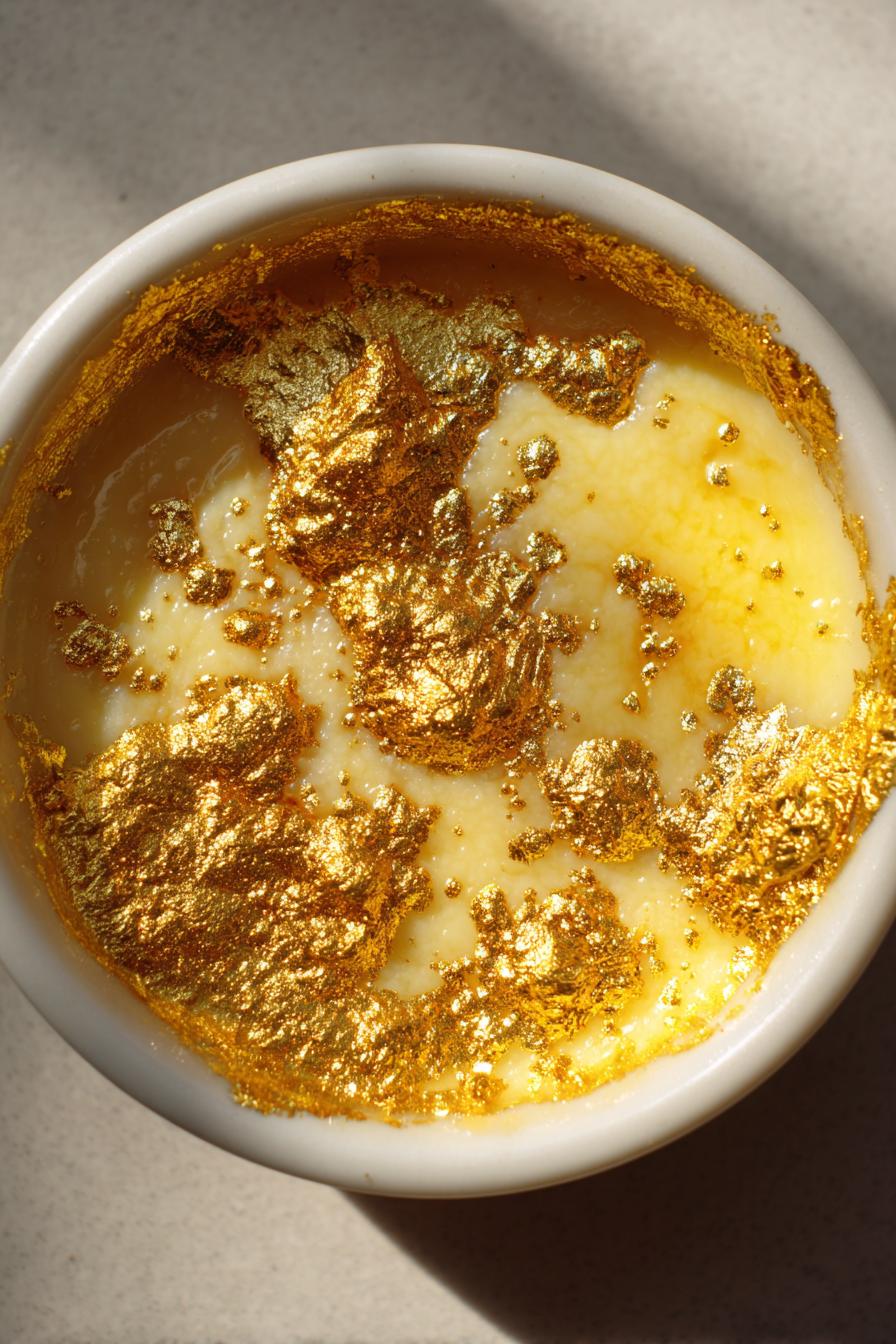
The first time I tried Japanese Uni Chawanmushi with Gold Leaf at a tiny Tokyo restaurant, I nearly cried – it was that beautiful. The silky egg custard melted on my tongue while the briny uni burst with ocean flavor. That golden leaf shimmering on top? Pure magic. I begged the chef for his secrets, and after years of practice (and a few failed attempts), I finally cracked the code for making this elegant dish at home.
Chawanmushi means “steamed in a teacup,” and that’s exactly how we’ll prepare it – delicate, luxurious, and surprisingly simple. The combination of velvety custard, fresh sea urchin, and edible gold creates a dish that feels like a special occasion every time you make it. Trust me, once you master this recipe, you’ll want to serve it for every dinner party (or just treat yourself on a random Tuesday – no judgment here!).
Why You’ll Love This Japanese Uni Chawanmushi with Gold Leaf
Oh my gosh, where do I even start? This dish is like wrapping yourself in the coziest, most luxurious blanket – but for your taste buds! Here’s why I’m completely obsessed (and why you will be too):
- That silky texture: The custard is so smooth it practically dissolves on your tongue. When it’s done right, it feels like eating a cloud made of eggs.
- Uni magic: Fresh sea urchin adds this incredible briny sweetness that cuts through the richness perfectly. It’s like getting a little taste of the ocean in every bite.
- Golden wow factor: That edible gold leaf? Total showstopper. It makes an ordinary Tuesday feel like a Michelin-starred dinner party.
- Surprisingly simple: Don’t let the fancy looks fool you – with just a few quality ingredients and some patience, you can create restaurant-quality chawanmushi right in your kitchen.
Seriously, the first time I nailed this recipe, I felt like I’d discovered the secret to happiness. And now I’m sharing it with you!
Ingredients for Japanese Uni Chawanmushi with Gold Leaf
Listen, I know some recipes throw in fancy ingredients just for show, but every single item here plays a crucial role in creating that perfect balance of flavors. Here’s what you’ll need to gather before we start:
- 3 large eggs: Not extra-large, not medium – large eggs give us just the right custard consistency.
- 1½ cups dashi stock: Make it fresh if you can (I’ll show you how) or use high-quality instant dashi – this is the flavor foundation!
- 1 tsp each soy sauce & mirin: Just enough to deepen the flavor without overpowering the delicate uni.
- 2 fresh sea urchin tongues (uni): Splurge on the freshest you can find – look for bright orange color and no fishy smell.
- Edible gold leaf: A tiny sheet goes a long way for that gorgeous finishing touch.
- 1 green onion: Thinly sliced for a pop of color and freshness.
Pro tip: Set everything out at room temperature before starting – cold ingredients can mess with our perfect steaming time!
Equipment You’ll Need
Don’t worry – you don’t need fancy equipment to make this elegant dish! Just gather these basics from your kitchen:
- Fine mesh sieve: Absolute must for that silky-smooth custard texture
- 2 small teacups or ramekins: Traditional chawanmushi cups are perfect, but any heatproof cups work
- Steamer basket: Bamboo is ideal, but any pot with steamer insert does the trick
- Aluminum foil: Our secret weapon to prevent water droplets from ruining the surface
- Small whisk & mixing bowls: For gently combining our delicate ingredients
That’s it! No special gadgets required – just patience and love.
How to Make Japanese Uni Chawanmushi with Gold Leaf
Okay, deep breath – we’re about to create magic! Don’t let the elegant presentation fool you. Making this dish is all about gentle hands and patience. Follow these steps, and you’ll have restaurant-quality chawanmushi that will wow everyone (including yourself!).
Preparing the Egg Mixture
First, grab your eggs and whisk them gently – we’re not making scrambled eggs here! Just enough to break up the yolks without creating too many bubbles. Now, in another bowl, combine your dashi stock, soy sauce, mirin, and salt. Slowly pour this into the eggs while whisking, like you’re introducing two shy friends at a party.
Here’s the secret step: strain everything through a fine mesh sieve. I know it seems fussy, but this removes any eggy bits and gives us that signature silky texture. The mixture should look like pale, golden tea when it’s ready to pour.
Steaming the Chawanmushi
Divide the mixture between your cups (fill them about 3/4 full) and here’s my pro tip: cover each cup tightly with foil. This keeps pesky water droplets from ruining our perfect surface. Get your steamer going over medium heat – not boiling madly, just a nice gentle steam.
Carefully place your cups in the steamer and set a timer for 12 minutes. No peeking! The custard should be just set but still slightly jiggly in the center when done. Think “firm jello” rather than “solid brick.”
Adding Uni and Finishing Touches
Now for the fun part! Gently place a piece of fresh uni on each custard – it should sit right on top like a little orange jewel. Cover and steam for just 3 more minutes to warm the uni through.
When you lift the foil, the moment of truth! The custard should be perfectly smooth. Now, with clean hands or tweezers, place a delicate piece of gold leaf on top (it will stick to the slightly moist surface). Sprinkle with those thin green onion slices, and voila! You’ve just created edible art.
Serve immediately while it’s still warm – the contrast between the cool, briny uni and the warm custard is absolute heaven.
Tips for Perfect Japanese Uni Chawanmushi with Gold Leaf
After making this dish more times than I can count (and yes, burning a batch or two), here are my hard-earned secrets for chawanmushi success:
- Fresh uni or bust: Your sea urchin should smell like the ocean – fresh and clean, not fishy. If it smells off, it’ll ruin the whole dish.
- Patience with heat: Medium steam is your friend. High heat makes the eggs curdle faster than you can say “oops!”
- Room temp ingredients: Cold eggs + hot dashi = lumpy custard. Let everything sit out for 20 minutes first.
- Gold leaf last: Apply it just before serving – the steam can make it disappear into the custard.
- Test doneness: The center should jiggle like set gelatin, not liquid. If unsure, give it 1 more minute.
Remember, even imperfect chawanmushi still tastes amazing – so don’t stress!
Serving Suggestions
This Japanese Uni Chawanmushi with Gold Leaf deserves a star treatment! I love serving it as the elegant opener to a sushi night, paired with a crisp, chilled sake. For a full Japanese experience, add a small bowl of miso soup and some pickled vegetables – the clean flavors complement the rich custard perfectly.
Storage & Reheating
Here’s the honest truth – this Japanese Uni Chawanmushi with Gold Leaf is meant to be enjoyed immediately. That gorgeous silky texture? It gets rubbery if you try to save it. And the delicate uni? Doesn’t take well to refrigeration. Trust me, I’ve tried (and cried over wasted gold leaf!). If you must store it, cover tightly and eat within 2 hours – but really, it’s worth making fresh every time.
Nutritional Information
Each serving of this Japanese Uni Chawanmushi with Gold Leaf packs about 180 calories – mostly from the protein-rich eggs and healthy fats in the uni. You’re looking at 12g protein, 10g fat (mostly the good kind from sea urchin), and just 4g carbs. But let’s be real – we’re not eating this for the macros! Keep in mind these numbers can vary based on your exact ingredients (especially the size of that gold leaf you use!).
Frequently Asked Questions
Q1. What if I can’t find fresh uni for my chawanmushi?
Don’t panic! While fresh sea urchin makes this dish extra special, you can substitute with high-quality ikura (salmon roe) for a similar briny pop. Some chefs even use small pieces of cooked crab or lobster in a pinch. Just promise me you won’t use that weird orange “sea urchin” paste from the grocery store – it’s just not the same!
Q2. Can I make dashi stock from scratch?
Absolutely! My favorite quick method uses kombu (dried kelp) and bonito flakes – soak a 4-inch piece of kombu in 2 cups cold water for 30 minutes, then heat until just before boiling. Remove the kombu, add a handful of bonito flakes, simmer for 30 seconds, then strain. But honestly? A good quality instant dashi powder works wonders when you’re short on time.
Q3. Why does my chawanmushi turn out bubbly or rough?
Ah, the dreaded bubbles! This usually happens when we whisk the eggs too vigorously (I’m guilty too!). The key is gentle mixing and that crucial straining step. Also, make sure your steaming water isn’t boiling too hard – medium-low heat is perfect for that signature silky texture.
Share Your Experience
Did you try making this Japanese Uni Chawanmushi with Gold Leaf? I’d love to hear how it turned out! Leave a comment below telling me about your first bite – was it love at first taste? Snap a photo of your golden masterpiece too (bonus points if you tag me!). Nothing makes me happier than seeing others fall for this dish like I did.
PrintJapanese Uni Chawanmushi with Gold Leafesy Luxurious Delight

A delicate Japanese steamed egg custard with sea urchin (uni) and edible gold leaf for an elegant presentation.
- Prep Time: 10 minutes
- Cook Time: 15 minutes
- Total Time: 25 minutes
- Yield: 2 servings 1x
- Category: Appetizer
- Method: Steaming
- Cuisine: Japanese
Ingredients
- 3 large eggs
- 1 1/2 cups dashi stock
- 1 tsp soy sauce
- 1 tsp mirin
- 1/4 tsp salt
- 2 fresh sea urchin tongues (uni)
- Small piece of edible gold leaf
- 1 green onion (thinly sliced)
Instructions
- Whisk eggs gently in a bowl.
- Mix dashi, soy sauce, mirin and salt in another bowl.
- Combine egg mixture with dashi mixture. Strain through a fine sieve.
- Pour into 2 small teacups or chawanmushi cups.
- Cover with foil and steam over medium heat for 12 minutes.
- Place uni on top and steam for 3 more minutes.
- Garnish with gold leaf and green onions before serving.
Notes
- Use fresh, high-quality uni for best flavor
- Keep heat moderate to prevent curdling
- Serve immediately after cooking
Nutrition
- Serving Size: 1 cup
- Calories: 180
- Sugar: 2g
- Sodium: 480mg
- Fat: 10g
- Saturated Fat: 3g
- Unsaturated Fat: 5g
- Trans Fat: 0g
- Carbohydrates: 4g
- Fiber: 0g
- Protein: 12g
- Cholesterol: 320mg