3 Secrets to Perfect Tabbouleh That Will Wow Everyone
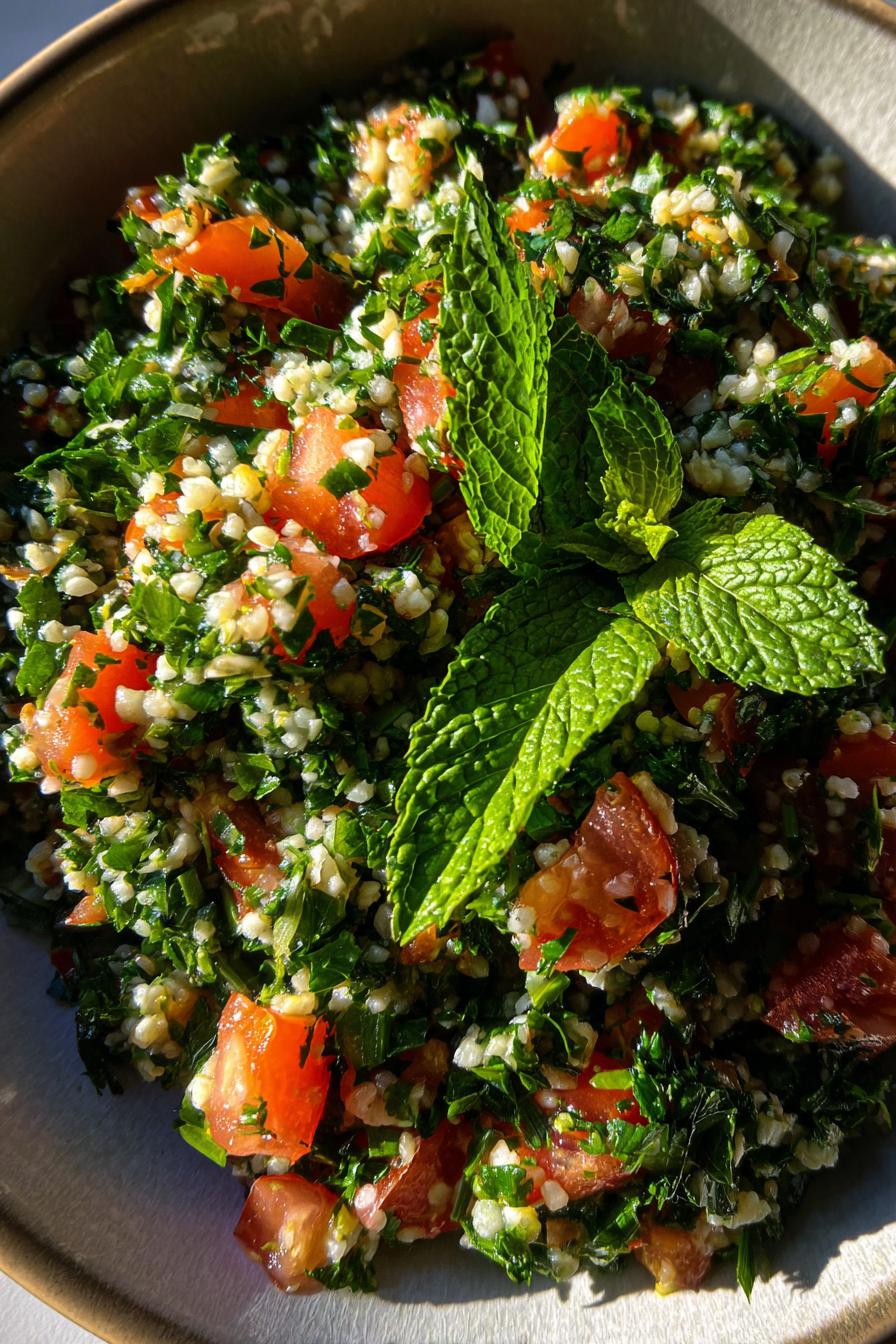
I still remember the first time I tasted real Tabbouleh – it was at my Lebanese friend’s family gathering, and wow, it blew my mind! That perfect balance of fresh parsley, zesty lemon, and fluffy bulgur wheat was nothing like the sad, parsley-heavy versions I’d tried before. This vibrant Middle Eastern salad has been my go-to summer dish ever since.
Tabbouleh is all about freshness and simplicity – just a handful of ingredients that sing together. The parsley should be the star (not an afterthought!), with bulgur wheat playing a supporting role. What I love most is how it transforms basic pantry items into something magical. My version stays true to tradition while adding my little twists – because that’s what home cooking’s all about, right?
Why You’ll Love This Tabbouleh
Trust me, this isn’t just another salad recipe – it’s a game-changer! Here’s why this tabbouleh will become your new summer obsession:
- Crazy refreshing: That zingy lemon dressing with crisp parsley is like a cool breeze on a hot day
- Health in a bowl: Packed with fiber from bulgur and antioxidants from all those fresh herbs
- No cooking required: Just soak, chop, mix – perfect for when you can’t bear to turn on the stove
- Flavor bomb: The mint and lemon play off each other so beautifully, you’ll keep going back for “just one more bite”
My favorite part? It actually gets better as it sits, making it the ultimate make-ahead dish for busy weeknights.
Tabbouleh Ingredients
Here’s what you’ll need to make the most vibrant, fresh tabbouleh you’ve ever tasted. I’m super particular about these ingredients – trust me, it makes all the difference!
- 1 cup fine bulgur wheat (not coarse – we want that perfect tender bite)
- 2 cups boiling water (just off the kettle for proper soaking)
- 1 large bunch fresh parsley (about 2 cups when finely chopped – stems removed!)
- 1/2 cup fresh mint leaves (packed and finely chopped – no dried stuff here)
- 2 medium ripe tomatoes (diced small – I like Roma for less watery seeds)
- 1 small red onion (finely chopped – soak in cold water if you want less bite)
- 1/4 cup good olive oil (the fruity kind makes the dressing sing)
- 1 teaspoon salt (I use sea salt – adjust to taste after mixing)
- 1/2 teaspoon freshly ground black pepper (worth grinding yourself)
1/4 cup fresh lemon juice (about 2 juicy lemons – none of that bottled stuff)
Ingredient Notes & Substitutions
Let me let you in on some tabbouleh secrets I’ve learned through trial and (many) errors:
Bulgur wheat is non-negotiable for authentic texture, but if you must swap, fine couscous works in a pinch (soak for just 10 minutes). For gluten-free, quinoa’s okay but changes the vibe completely – reduce water to 1.5 cups and cook like rice.
Fresh herbs are the soul of this dish. That pre-chopped parsley in tubs? It’s already lost half its flavor. And dried mint? Might as well use cardboard. If you’re herb-challenged, try growing your own – parsley and mint are practically weeds they’re so easy!
Tomatoes should be firm but ripe. I sometimes cheat with cherry tomatoes in winter – just halve them and reduce quantity slightly. And that red onion? A shallot works beautifully if you want something more delicate.
The olive oil and lemon ratio is sacred in my kitchen. Too much oil and it gets greasy; too much lemon and it puckers your face. Start with these measurements, then adjust to your taste after mixing. Pro tip: zest one lemon into the dressing for extra zing!
How to Make Tabbouleh
Okay, let’s get to the fun part – making magic happen! I’ve broken this down into simple steps because tabbouleh is all about technique. Follow these, and you’ll have the most perfect, fluffy, herb-packed salad that’ll make you feel like a Middle Eastern grandma (in the best way possible).
Preparing the Bulgur
This step seems simple, but it’s where most people mess up. Here’s how to get it right:
- Place your bulgur in a large bowl (trust me, you’ll need the space later)
- Pour the boiling water over it – you should hear a little “ahhh” as the grains start soaking it up
- Cover tightly with a lid or plate and set your timer for 30 minutes – no peeking!
- After time’s up, fluff it with a fork and drain any excess water (if it looks at all soggy, gently press it against the sieve)
The bulgur should be tender but still have a slight bite – think al dente pasta. If it’s still crunchy, give it another 5 minutes covered.
Mixing the Salad
Now comes the satisfying part – watch those vibrant colors come together!
- Add your chopped parsley and mint to the bulgur first – this lets the grains separate and coat evenly
- Toss gently with your hands (yes, hands! It’s the best tool for this job) until you see no big clumps
- Now add tomatoes and onion – the moisture from these will help everything meld
- Mix just until combined – you don’t want to bruise those delicate herbs
Pro tip: If making ahead, hold back the tomatoes until serving to keep them fresh and prevent sogginess.
Making the Dressing
This is where the magic happens – that perfect tart, herby flavor we love:
- In a small bowl, whisk together olive oil and lemon juice until emulsified (it should look creamy, not separated)
- Add salt and pepper – I always start with less because you can add more later
- Pour over the salad and toss gently with a big spoon and fork (like you’re tossing a green salad)
- Taste and adjust – more lemon? More salt? Trust your palate!
Now the hardest part – cover and refrigerate for at least an hour. I know it’s tempting to dive right in, but this resting time lets all the flavors marry beautifully.
Tips for Perfect Tabbouleh
After making this dozens (okay, maybe hundreds) of times, here are my foolproof secrets for tabbouleh that’ll wow everyone:
- Herb chopping is everything – Take the extra minute to get your parsley and mint finely chopped. Big chunks overwhelm the delicate balance.
- The chill factor – That hour in the fridge isn’t optional! It lets the bulgur soak up all the lemony goodness.
- Acid check – Always taste after chilling. Sometimes it needs an extra squeeze of lemon to brighten it up.
- Drain like a pro – Press that bulgur gently against a sieve if it looks wet. Soggy tabbouleh is a sad tabbouleh.
- Tomato timing – If making ahead, stir in tomatoes just before serving to keep them perky.
Remember – great tabbouleh should taste as vibrant as it looks!
Tabbouleh Variations
Now don’t get me wrong – I love classic tabbouleh. But sometimes I can’t resist playing with the recipe! Here are my favorite twists that still keep the spirit of the dish alive:
- Cucumber crunch: Add 1/2 cup finely diced Persian cucumbers for extra freshness (just pat them dry first to avoid watering it down)
- Pomegranate pop: A handful of ruby seeds adds sweetness and makes it look like a holiday dish
- Feta fancy: Crumble some good Greek feta on top – the salty tang pairs perfectly with the lemon
- Cilantro switch: Not a mint fan? Use cilantro instead for a more Mexican-inspired vibe
- Lentil boost: Mix in 1/2 cup cooked green lentils for extra protein and heartiness
My absolute favorite variation? Adding sumac to the dressing – that tart, earthy Middle Eastern spice takes it to another level. Just sprinkle about 1/2 teaspoon and taste as you go!
Honestly, once you’ve mastered the basic recipe, the sky’s the limit. The only rule? Keep those fresh herbs front and center, and don’t drown the delicate flavors with too many additions. Happy experimenting!
Serving & Storing Tabbouleh
Now here’s where the fun really begins – serving up this gorgeous green masterpiece! My favorite way? Piled high on a platter with warm pita wedges for scooping. The contrast between the cool, zesty tabbouleh and soft, toasty bread is absolute perfection. But oh, the possibilities don’t stop there!
Perfect Pairings
This vibrant salad plays so well with others:
- Grilled everything: Chicken skewers, lamb kofta, or shrimp – the lemon in the tabbouleh cuts through rich meats beautifully
- Mezze platter: Surround it with hummus, baba ghanoush, and olives for a Middle Eastern feast
- Stuffed veggies: Spoon it into hollowed-out tomatoes or bell peppers for a stunning presentation
- Breakfast boost: Top your morning eggs with a scoop – sounds weird but trust me on this one!
Storage Secrets
Here’s the good news – tabbouleh actually gets better after a night in the fridge! But there are some tricks to keeping it fresh:
- Airtight is right: Use a container with a tight seal – those salad spinner bowls work great
- Two-day limit: The parsley starts wilting after 48 hours, so enjoy it within that window
- No freezing allowed: Trust me, I learned this the hard way – thawed tabbouleh turns into a sad, mushy mess
- Revive with lemon: If it seems dry after storing, a fresh squeeze of lemon and drizzle of oil brings it back to life
Pro tip: If you’re meal prepping, store the dressing separately and toss it in about 30 minutes before serving. Those herbs stay perky as can be!
Tabbouleh Nutrition
Let’s talk about why this isn’t just delicious – it’s downright good for you! One generous cup of my tabbouleh packs about 150 calories, but here’s what really matters:
- Fiber boost: 4g per serving from that bulgur wheat keeps you full and happy
- Healthy fats: 6g of unsaturated fats from quality olive oil (the good kind your heart loves)
- Vitamin C powerhouse: All that parsley and lemon juice gives you a solid dose of immune-supporting goodness
- Low sugar: Just 2g naturally occurring from the veggies – no added sugars here!
Now here’s my nutritionist disclaimer (because I learned this lesson after one too many email debates): Nutritional values are estimates and vary based on ingredients used. That beautiful olive oil you splurged on? Might bump up the calories slightly. Those juicy summer tomatoes? Could add a gram of sugar. But that’s the beauty of real food cooking – it’s nourishing in ways numbers can’t fully capture.
What I love most is that this salad gives you energy without weighing you down. It’s my go-to when I need something light but satisfying – proof that healthy eating doesn’t have to mean boring! Just don’t tell anyone how good it is for them – let them think they’re indulging.
Tabbouleh FAQs
I get asked about tabbouleh all the time – seems like everyone wants to make it just right! Here are the questions that pop up most often in my kitchen (and my honest answers after years of tabbouleh trials):
Can I use quinoa instead of bulgur wheat?
Oh, I get this one constantly! While quinoa makes a decent gluten-free substitute, it changes the whole character of the dish. If you must swap, use 1 cup rinsed quinoa cooked in 1.5 cups water (not boiled like bulgur). The texture will be different – less fluffy, more dense – but still tasty. Just promise me you’ll try the real deal with bulgur at least once!
How long does tabbouleh keep in the fridge?
Here’s the scoop: it’s best within 48 hours. After that, the parsley starts to wilt and lose its vibrant color. But honestly? In my house it never lasts that long! If you’re prepping ahead, store the dressing separately and mix it in about 30 minutes before serving to keep everything crisp.
Why does my tabbouleh turn out soggy?
Ah, the soggy tabbouleh tragedy! Usually it’s one of three things: 1) Not draining the bulgur well enough after soaking (press it gently in a sieve!), 2) Using tomatoes that are too watery (I prefer Roma), or 3) Adding the dressing too early. If using regular tomatoes, scoop out the seeds first. And never dress it more than a few hours ahead!
Can I make tabbouleh without mint?
Absolutely – but you’ll lose that signature fresh kick. If you’re not a mint fan, try substituting with extra parsley or using cilantro instead (though that takes it in a different direction). Some traditional versions actually skip mint entirely, but I find just 1/2 cup adds magic without overwhelming.
Is tabbouleh supposed to be mostly parsley?
YES! A thousand times yes! Unlike those sad, grain-heavy versions you sometimes see, authentic tabbouleh is parsley-forward. Think 2 parts herbs to 1 part bulgur. The parsley should be the star with bulgur as the supporting actor. When chopped finely, it creates this incredible light, fluffy texture that’ll make you forget all about those impostor versions!
Ready to Make Some Tabbouleh Magic?
There you have it – all my hard-earned tabbouleh secrets in one place! From the perfect bulgur soak to that critical herb-chopping technique, I’ve shared everything that took me years to figure out. Now it’s your turn to experience that fresh, zesty joy I felt at that first Lebanese family gathering.
Don’t be intimidated – this is one of those forgiving recipes where a little love goes a long way. Even if your parsley isn’t chopped perfectly or you accidentally add an extra squeeze of lemon (been there!), it’ll still taste amazing. That’s the beauty of tabbouleh – it’s meant to be made, shared, and enjoyed, not stressed over!
So grab that bunch of parsley and get chopping! I can’t wait to hear how your version turns out. Did you add pomegranate like I suggested? Maybe you discovered a brilliant new twist? Drop your tabbouleh stories and photos in the comments – let’s build our own little community of herb-obsessed salad lovers!
Print3 Secrets to Perfect Tabbouleh That Will Wow Everyone
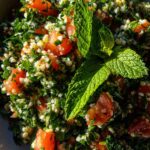
A fresh and vibrant Middle Eastern salad made with bulgur wheat, parsley, tomatoes, and a zesty lemon dressing.
- Prep Time: 20 minutes
- Cook Time: 0 minutes
- Total Time: 1 hour 50 minutes (includes chilling)
- Yield: 6 servings 1x
- Category: Salad
- Method: No-Cook
- Cuisine: Middle Eastern
- Diet: Vegetarian
Ingredients
- 1 cup bulgur wheat
- 2 cups boiling water
- 1 large bunch fresh parsley, finely chopped
- 1/2 cup fresh mint, finely chopped
- 2 medium tomatoes, diced
- 1 small red onion, finely chopped
- 1/4 cup olive oil
- 1/4 cup lemon juice
- 1 teaspoon salt
- 1/2 teaspoon black pepper
Instructions
- Place bulgur wheat in a bowl and pour boiling water over it. Cover and let sit for 30 minutes.
- Drain any excess water and fluff with a fork.
- Add parsley, mint, tomatoes, and red onion to the bulgur. Mix well.
- In a small bowl, whisk together olive oil, lemon juice, salt, and pepper.
- Pour dressing over the salad and toss to combine.
- Chill for at least 1 hour before serving.
Notes
- Use fine bulgur for the best texture.
- Chop parsley and mint finely for even distribution.
- Adjust lemon juice and salt to taste.
Nutrition
- Serving Size: 1 cup
- Calories: 150
- Sugar: 2g
- Sodium: 200mg
- Fat: 8g
- Saturated Fat: 1g
- Unsaturated Fat: 6g
- Trans Fat: 0g
- Carbohydrates: 18g
- Fiber: 4g
- Protein: 3g
- Cholesterol: 0mg